

Synthetic Bristle Research: Universities Developing Next - Gen Filaments
Next-Gen Synthetic Bristles: University Research Pushes Filament Innovation
In the realm of personal care, industrial cleaning, and medical tools, synthetic bristles have long been workhorses, valued for their durability, cost-effectiveness, and versatility. However, as consumer demand for sustainability, performance, and safety rises, traditional synthetic filaments—often derived from non-biodegradable plastics like nylon or polyester—face growing scrutiny. Enter university research labs, where scientists are pioneering next-gen synthetic bristles that redefine what these tiny filaments can do.
At the Massachusetts Institute of Technology (MIT), a team led by materials science professor Dr. Elena Marchenko is focusing on nanotechnology to enhance bristle functionality. Their recent work, published in Advanced Materials, introduces a "nano-engineered coating" for synthetic filaments. By depositing a thin layer of zinc oxide nanops onto polypropylene bases, the team has created bristles with 99.8% antibacterial efficacy—critical for applications like medical brushes or facial cleansing tools. "Traditional synthetic bristles can harbor bacteria in micro-grooves," Dr. Marchenko explains. "Our coating not only kills microbes but also reduces friction, making the bristles softer and more gentle on skin."
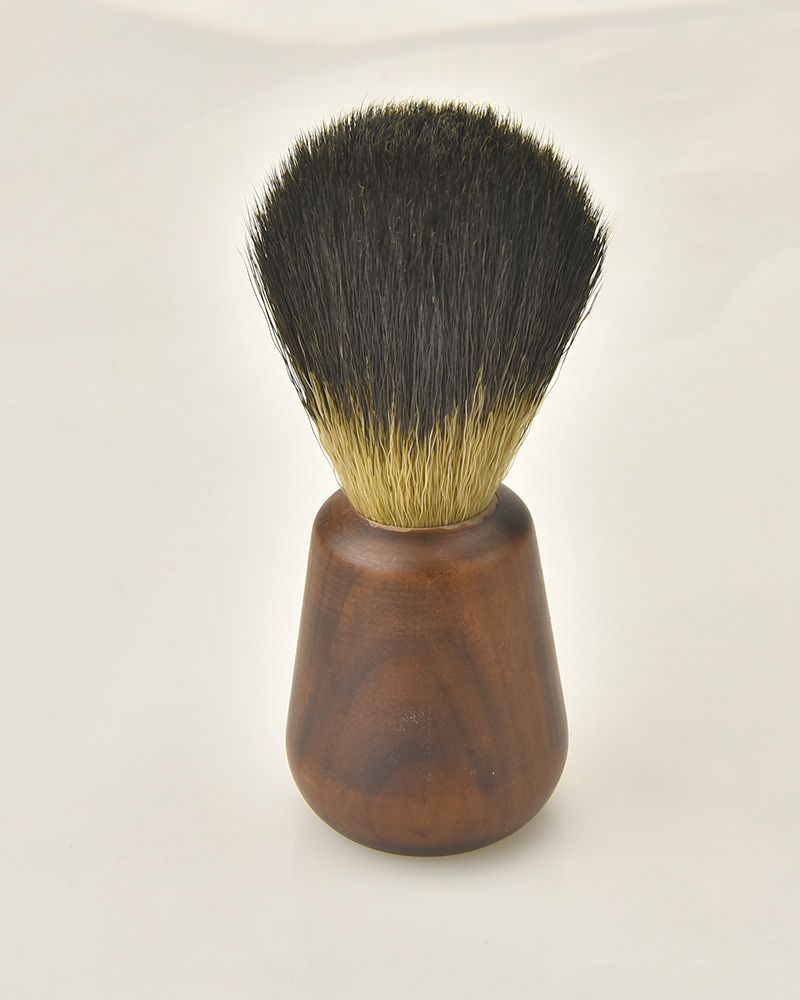
Across the Atlantic, Imperial College London is tackling sustainability head-on. Professor James Wilson’s lab has developed a bio-based synthetic filament using algae-derived polymers. Unlike petroleum-based plastics, these filaments biodegrade in marine environments within 18 months while maintaining tensile strength comparable to nylon. "The key breakthrough was blending algal proteins with a small percentage of plant-based polyester," Wilson notes. "This hybrid structure resists water absorption—vital for剃须 brushes, which need to retain lather—while breaking down naturally when discarded." Early tests with luxury shaving brands show the algae-based bristles outperform traditional options in lather retention by 15%.
Closer to home, Tsinghua University’s Department of Chemical Engineering is leveraging AI to optimize bristle design. Using machine learning algorithms, researchers analyzed over 10,000 bristle configurations—varying in diameter, taper, and surface texture—to identify the ideal structure for剃须 brushes. The result? A "gradient-tapered" filament that combines the softness of natural badger hair with the durability of synthetic materials. "AI allowed us to simulate how bristle shape affects lather distribution and skin feel," says lead researcher Dr. Li Wei. "Traditional trial-and-error methods would have taken years; we achieved it in six months."
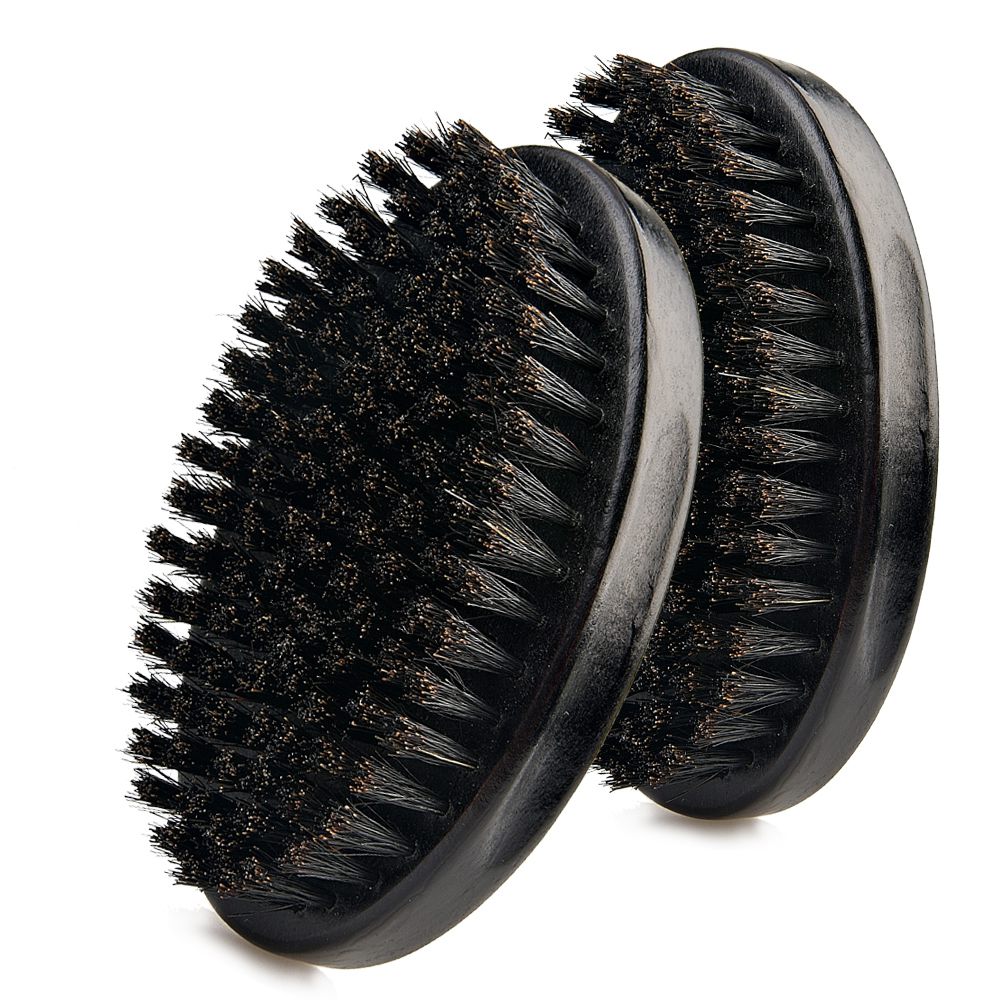
These innovations address pressing industry challenges. For manufacturers, next-gen filaments offer a path to meet strict EU regulations on single-use plastics and consumer demands for eco-friendly products. For end-users, improved softness, antibacterial properties, and sustainability translate to better user experiences. As Dr. Marchenko puts it: "Synthetic bristles are no longer just a cheap alternative to natural fibers. They’re becoming the gold standard, thanks to university research pushing the boundaries of materials science."
Looking ahead, collaboration between academia and industry will be key. Several universities, including MIT and Imperial College, have already partnered with leading brush manufacturers to scale production. "The next five years will see these lab innovations hit store shelves," predicts Wilson. "Consumers will soon choose between biodegradable algae-based剃须 brushes and AI-optimized cleansing tools—options that were unthinkable a decade ago." For the synthetic bristle industry, the future is not just about replacing natural fibers, but reimagining what filaments can achieve.


