

Latin American Beauty Market Expands Rapidly, Boosting Local Brush Assembly Lines
Latin American Beauty Market Expands Rapidly, Boosting Local Brush Assembly Lines
The Latin American beauty market is experiencing an unprecedented boom, with recent industry reports highlighting a compound annual growth rate (CAGR) of 6.2% from 2023 to 2028, projected to reach $85 billion by the end of the forecast period. This surge is not only reshaping consumer habits but also driving a significant shift in the region’s manufacturing landscape—particularly in the production of cosmetic brushes, a staple in beauty routines. Local brush assembly lines are emerging as key beneficiaries, as brands and retailers pivot to onshore production to meet soaring demand and reduce reliance on imported goods.
Several factors are fueling the market’s expansion. The rise of the middle class, particularly in Brazil, Mexico, and Argentina, has increased disposable income, with consumers allocating more budget to skincare and makeup products. Social media platforms like TikTok and Instagram have amplified beauty trends, with Latin American influencers driving demand for high-quality tools, including precision makeup brushes. Additionally, a growing preference for “clean beauty” and locally sourced products has encouraged brands to prioritize regional manufacturing, aligning with consumer values of sustainability and cultural identity.
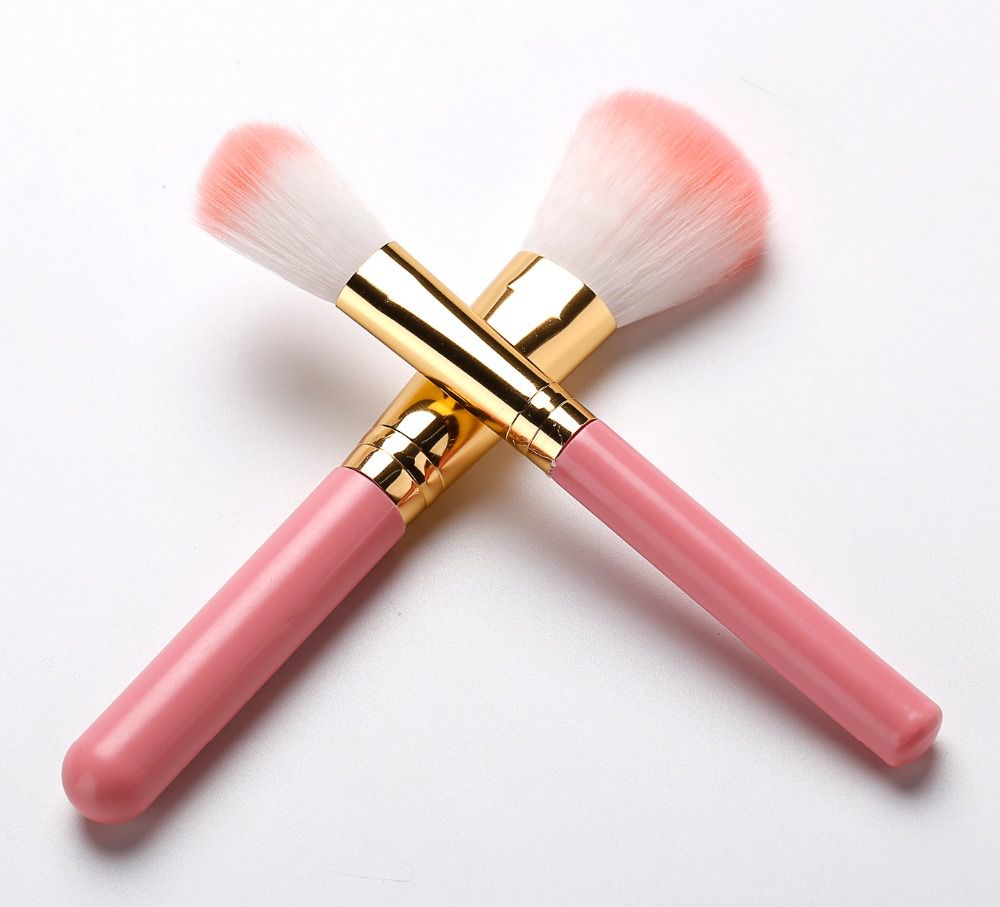
This demand has catalyzed the growth of local brush assembly lines. Traditionally, Latin America relied heavily on imported cosmetic brushes, primarily from Asia, where production costs were lower. However, rising global shipping costs, supply chain disruptions, and tariffs have made local production increasingly attractive. For example, Brazil’s cosmetics giant Natura recently invested $15 million in a new brush assembly facility in São Paulo, aiming to produce 5 million brushes annually by 2025. Similarly, Mexico’s Grupo Boticario has partnered with local manufacturers to develop automated assembly lines, reducing lead times from 3 months (for imports) to just 4 weeks.
Technological advancements are also playing a critical role in upgrading these local operations. Modern assembly lines now integrate semi-automated machinery for tasks like bristle trimming and handle attachment, improving efficiency while maintaining precision. Many facilities are also adopting sustainable practices, such as using recycled plastic for brush handles and cruelty-free synthetic bristles—materials that resonate with Latin American consumers, 68% of whom prioritize eco-friendly beauty products, according to a 2024 survey by Mintel.
The growth of local brush assembly lines is not only meeting market demand but also boosting regional economies. In Colombia, for instance, the beauty tools sector has created over 2,000 jobs in the past two years, with small and medium-sized enterprises (SMEs) leading innovation in niche products like handcrafted facial brushes. Governments are supporting this trend too: Mexico’s “Nearshoring” initiative offers tax incentives to manufacturers, while Argentina’s “Made in Argentina” campaign promotes local production, further incentivizing brands to invest in domestic assembly.
Looking ahead, challenges remain. While assembly is increasingly local, key raw materials like high-grade synthetic bristles still largely come from Asia, creating a dependency that could affect profit margins. Additionally, ensuring consistent quality across local manufacturers requires standardized training and quality control protocols. However, with continued investment in R&D and partnerships between local firms and global suppliers, these hurdles are likely manageable.
In conclusion, the rapid expansion of the Latin American beauty market is a catalyst for the growth of local brush assembly lines, driven by consumer demand, cost efficiency, and sustainability goals. As the region solidifies its position as a beauty manufacturing hub, local production will not only reduce supply chain risks but also foster innovation and economic growth—making Latin America a key player in the global beauty tools industry.


